Everyday Humanitarians
- 21 conversations
- 21 videos
- Free to watch
- Audio & transcripts
At the start of the year I wrote down in my annual review that I wanted to “organize an online conference with experts in the social entrepreneurship and humanitarian leadership fields.” By June it was real: I partnered with en*theos to create a free online conference for Everyday Humanitarians. It started June 9th and was available to anyone in the world for free, with 20 amazing interviews with outstanding innovators, authors, social entrepreneurs, nonprofit leaders and great friends.
Among the things we talked about:
- How to start consulting and be your own best boss
- The B Corp Handbook
- The Purpose Economy
- Giving yourself in greatest service to the world
- How to start your own nonprofit
- Leadership for humanitarians
It was a real pleasure to organize, and I loved all the wonderful feedback from experts and participants alike. “Organize an Online Conference” went on my life list as one of my dreams come true that year.
What is an everyday humanitarian?
Earlier that year, in February, my friend Bonnie Nelson curated a month on the topic in our Advance Humanity community. “I think many people are Everyday Humanitarians who don’t recognize it,” she wrote, “and most people can easily become Everyday Humanitarians.” She named five traits she saw in the ones she knew: kindness, simplicity, generosity, awesomeness, and gratitude.
In the conference I asked Matt Tenney the same question, and he answered with a story about a college student who thought about leaving school all the time. The only reason she stayed, she said, was the man who flipped pancakes in the dining hall — every morning he offered her a smile and asked how her test went.
“I think an everyday humanitarian is that guy.”
— Matt Tenney, Everyday HumanitariansOne of my favorite quotes, from Martin Luther King, Jr., came up twice during the conference: “Everybody can be great, because everybody can serve.” Matt talked about how it led him to title his book Serve to Be Great, and Mozart Guerrier talked about it being central to his life and his work as a social worker. (The speech it comes from is in my Great Speeches library.)
The interviews
Here are all 21 sessions, in the order en*theos listed them — every video, plus audio and transcripts where they survived. My last question for nearly everyone was the fun one: how can we help you?
 01 Brian Johnson
 02 Stephen Shapiro
 03 Orly Wahba
 04 Mozart Guerrier
 05 Gavin Aung Than
 06 Bonnie Nelson
 07 Aaron Hurst
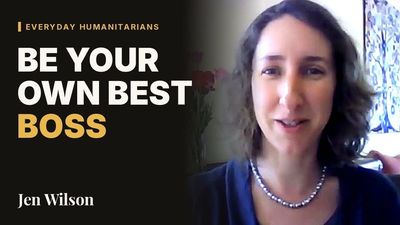 08 Jen Wilson
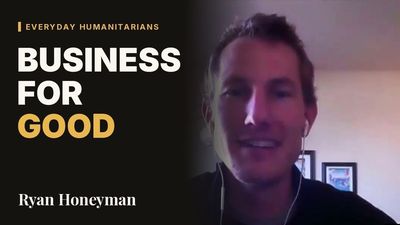 09 Ryan Honeyman
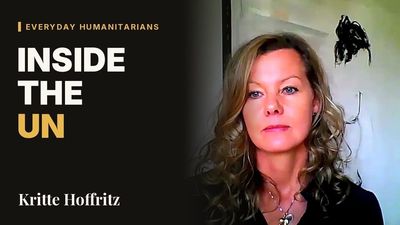 10 Kritte Hoffritz
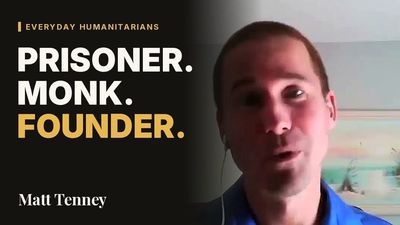 11 Matt Tenney
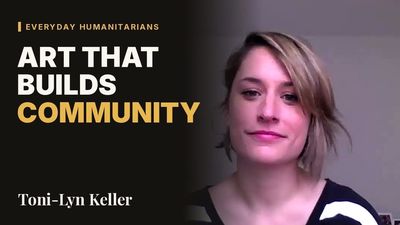 12 Toni-Lyn Keller
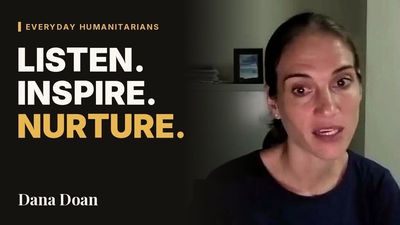 13 Dana Doan
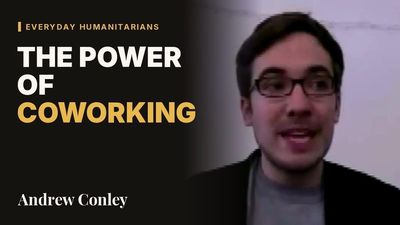 14 Andrew Conley
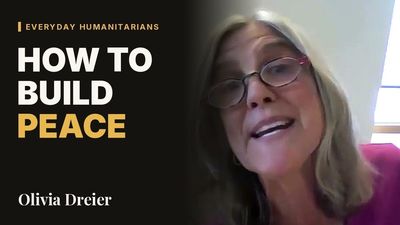 15 Olivia Dreier
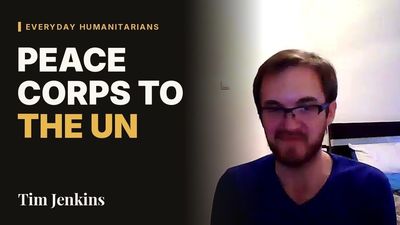 16 Tim Jenkins
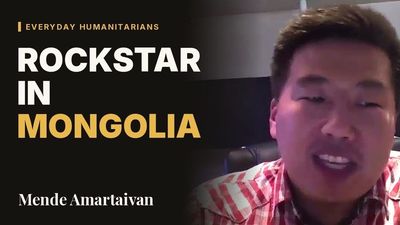 17 Mende Amartaivan
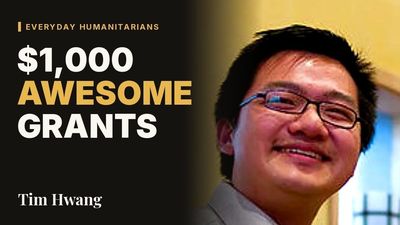 18 Tim Hwang
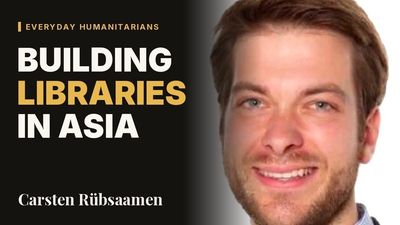 19 Carsten Rübsaamen
 20 Gerry Hawkes
 21 Chase Adam
01Giving Your Greatest Gift to the World
Brian Johnson
Philosopher and CEO of en*theos (later Optimize), our conference partner, and author of A Philosopher’s Notes. One of my heroes.
After following and admiring Brian for six years, I finally sat down with him and picked his brain on everything from meditation and what inspires him to get up in the morning, to how each of us can best optimize our lives and what his 110-year-old self would tell him now.
02Goal-Free Living
Stephen Shapiro
One of the foremost authorities on innovation culture, collaboration and open innovation; consultant, public speaker and author of five books, including Goal-Free Living.
03The Power of Kindness & Starting Your Own Nonprofit
Orly Wahba
Founder & CEO of Life Vest Inside and filmmaker of the wildly popular Kindness Boomerang. An educator, entrepreneur and community activist passionate about inspiring and motivating people to be the best that they can be, and a featured speaker at TED 2013.
04How to Find Your Creative Purpose
Mozart Guerrier
Writer, social worker, and TEDx speaker whose work focuses on sharing stories for change and purpose on the page and stage. An urban community builder and editor of the Social Entrepreneurship Clinic.
05Starting Zen Pencils
Gavin Aung Than
Freelance cartoonist and creator of the amazing Zen Pencils. After eight years in the corporate graphic design industry, he quit his unfulfilling job and focused on his true passion, drawing cartoons.
How Zen Pencils got started, and the leap from a corporate job to drawing cartoons full time — one of my favorite interviews of the conference.
06Awesome National and International Service
Bonnie Nelson
Served with both AmeriCorps and Peace Corps and now works with the Girl Scouts of Western Washington. She has her Masters in Education from the University of Washington, taught Peace Corps 101 and Everyday Service with me, and also just so happens to be one of my favorite people in the world.
AmeriCorps NCCC, service learning and placing students at UW’s Carlson Center, putting on a TEDx event in Mongolia, “indirect service” at the Girl Scouts — and why balance and rest matter for everyone trying to do good.
“We need to take care of each other.”
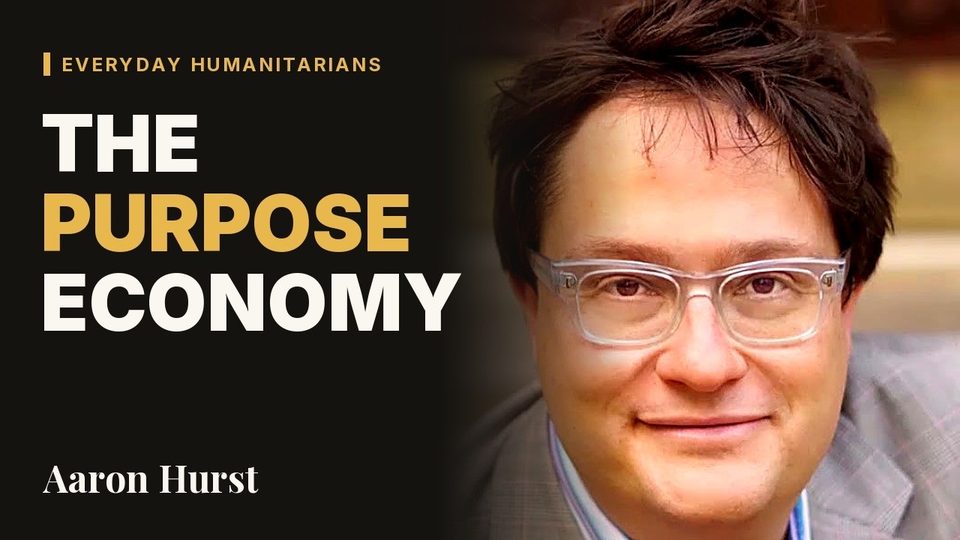
07The Purpose Economy
Aaron Hurst
A globally recognized entrepreneur who works to create communities that are empowered to realize their potential. CEO of Imperative, author of The Purpose Economy, and founder of the Taproot Foundation, where he was the architect behind the $15 billion pro bono service market.
From service learning at the University of Michigan to founding Taproot, why millennials are demanding purpose in their work, why Imperative became a B Corp, and three myths about purpose: that it’s a cause, a revelation, or a luxury.
“Cause and purpose are not the same thing.”
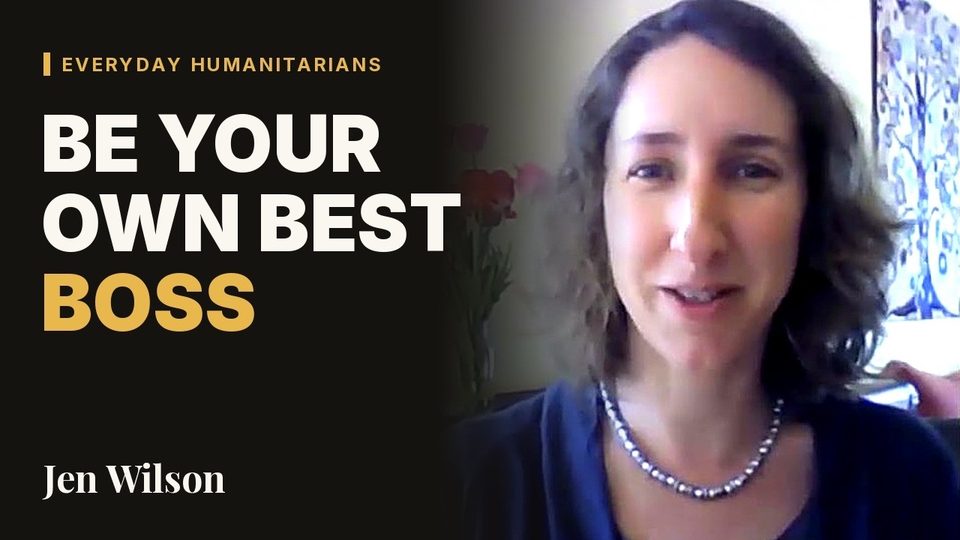
08How to Start Consulting and Be Your Own Best Boss
Jen Wilson
Founder of New Leaf Coaching and Consulting and Ready to Consult, Jen provides coaching, facilitation, and consulting for clients who are seeking to improve their own lives and the lives of others. She uses an experiential values-based approach to bring about growth and change.
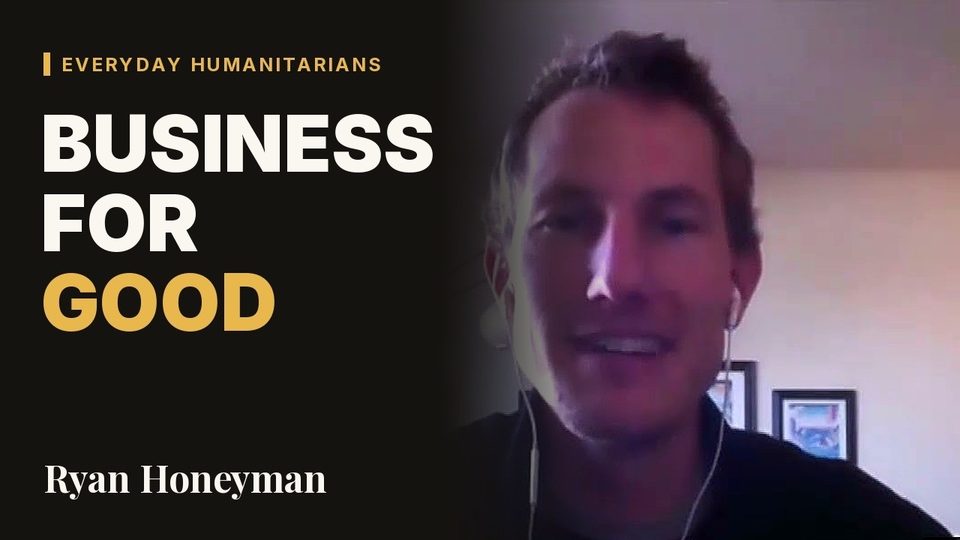
09The B Corps Handbook
Ryan Honeyman
The founder of Honeyman Sustainability Consulting, a Certified B Corporation, a two-time B Corps Champion Award winner, and author of The B Corp Handbook: How to Use Business as a Force for Good (then forthcoming).
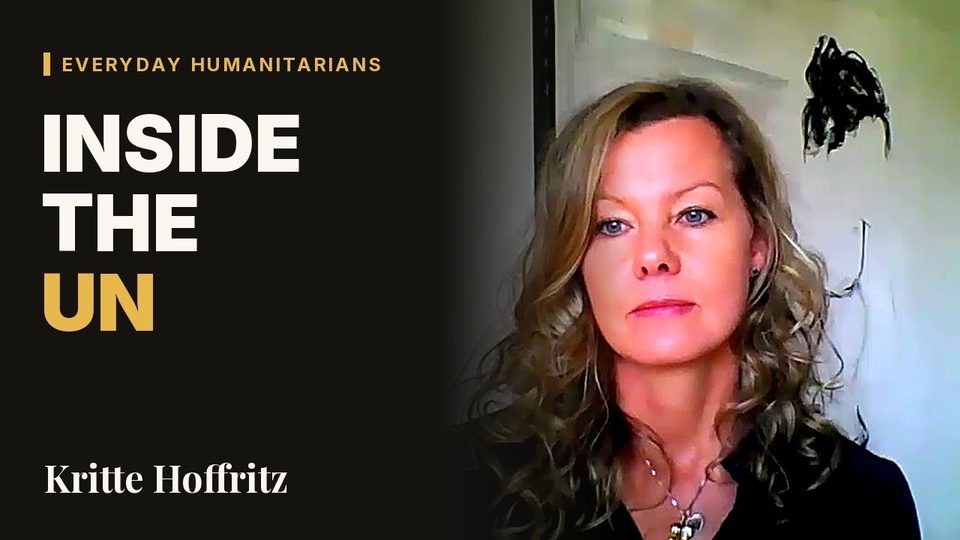
10The United Nations and Leadership for Humanitarians
Kritte Hoffritz
Almost a decade of experience working with the United Nations within the UN Refugee Agency (UNHCR), and founder of Leadership for Humanitarians, a social entrepreneurship with the vision “to ignite and equip humanitarian leaders to be catalysts for change.”
11Serve to Be Great
Matt Tenney
Author of Serve to Be Great: Leadership Lessons from a Prison, a Monastery, and a Board Room; social entrepreneur, keynote speaker, trainer, and consultant with Perth Leadership Institute.
His journey from prisoner to monk to social entrepreneur — discovering mindfulness in a military prison, nearly ordaining as a monk, and why serving the people around us is the most powerful road to success.
“The best way to help me is to pay it forward.”
12Nonprofits and the Arts
Toni-Lyn Keller
Co-founder of SAVE Savannah, which raises awareness of human trafficking, builds partnerships and provides training to combat human trafficking. Also Art Director of The Foundery, a gallery space that houses an inner-city summer art program and fosters community through the arts.
13Listen Inspire Nurture
Dana Doan
Founder and Strategic Advisor of the LIN Center for Community Development, dedicated to supporting nonprofits and community organizations across Vietnam. She is also a former Peace Corps Volunteer.
14Community Collaboration and Coworking Spaces
Andrew Conley
COO and one of the founding directors of 100State, a non-profit that provides workspace, mentorship and opportunities for entrepreneurial young professionals in Madison, Wisconsin.
What a co-working space is and how it works, how 100State brings community organizations in with real problems for its members to solve, the lean startup model, and advice for young people facing a changing world of work.
“Always be learning something new.”
15International Peacebuilding
Olivia Dreier
Executive Director at the Karuna Center for Peacebuilding, with extensive international experience in conflict transformation, reconciliation, and peacebuilding training — programs in over fifteen countries, including Afghanistan, Bosnia-Herzegovina, Kosovo, Israel and the Palestinian Territories, Sri Lanka, Nepal, Rwanda and Senegal.
16From Peace Corps to the United Nations
Tim Jenkins
Tim served three years with the Peace Corps in Mongolia and was working with the United Nations Population Fund (UNFPA) in Mongolia.
His advice on joining the Peace Corps, what it’s like to work your way into the United Nations, and the fundamentals of relationship building in international development work.
17How to Be a Business Rockstar in Mongolia
Mend-Orshikh (Mende) Amartaivan
Founder and President of The New Media Group, the first Certified B Corporation in Asia. A passionate social entrepreneur, Global Shaper, TEDx Ambassador and organizer of the first TEDx event in Mongolia — TEDxUlaanbaatar, which started as a simple idea between the two of us.
18Expanding Awesomeness Worldwide
Tim Hwang
Co-founder of the Awesome Foundation and Provost for the Institute on Higher Awesome Studies. He has also worked with Mozilla Foundation, Tumblr, Google, Knight Foundation, Creative Commons, Institute for the Future, and the Electronic Frontier Foundation.
19Building Bookbridge
Carsten Rübsaamen
Founder and CEO of Bookbridge, leading a team in Great Britain, Switzerland and Germany building and supporting sustainable libraries in Mongolia and Cambodia, and an Ashoka Fellow.
20The Sustainable Life
Gerry Hawkes
An inventor and social entrepreneur who has created several successful businesses in the forestry and environment sector, including Forest Savers, Eco Systems and Bike Track. He was also a Peace Corps Volunteer in Niger from 1971–73.
21The Startup Success of Watsi
Chase Adam
Entrepreneur, investor, speaker, author, former Peace Corps Volunteer, and founder of the nonprofit Watsi — “a Kiva for health care.”
The inspiring story that started Watsi, serving as a Peace Corps Volunteer in Costa Rica, being the first nonprofit funded by Y Combinator, and increasing transparency in the nonprofit world.